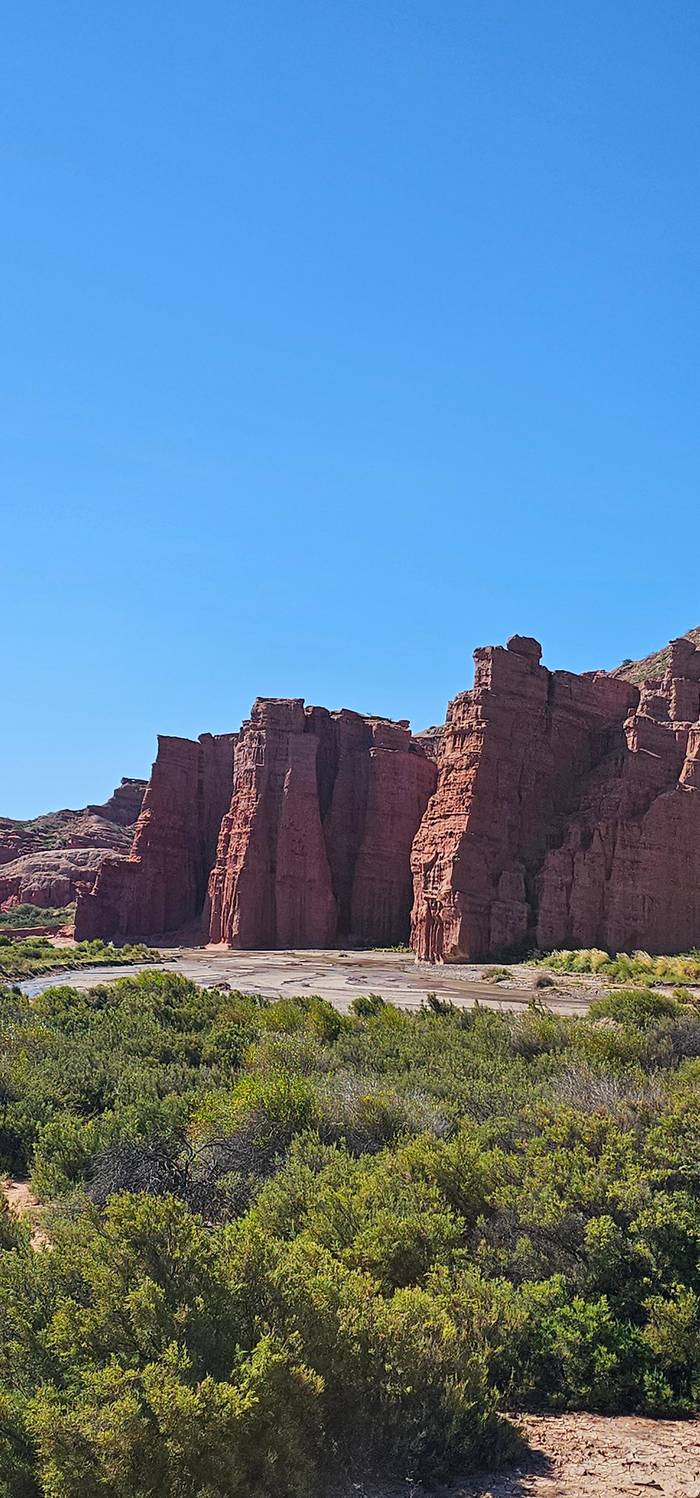
Liveliest
Festival season
February
- HighlightSerenata a Cafayate
- AlsoCarnival in the square
- BookEarly
Clickable checklist
Day trip from Salta to Cafayate
★ 4.4 · 494 written reviews
Prep list · 9 items
Tick items as you finish them. We save your progress on this device.
0 / 9 ready
That is everything. Only the date of your Cafayate day is left to pick.
Claim a spotA Salta-Cafayate tour is a 12-hour day through hot canyons and cool vineyards. Here is how the seasons change the trip, which dates bring festivals or harvest, and what to pack so the day stays comfortable.
Editorial team, cafayatetour.click · Updated November 11, 2026 · 6 mins to read
Before you pick dates for a Salta-Cafayate tour, understand the basic pattern. Salta's tourism ministry describes the province's climate as subtropical highland with a dry season.1 In the valleys, average temperatures pass 20 °C in summer and stay below 14 °C in winter.2 Those are averages, though, and what you feel on the day is shaped far more by the sun and by the hour than by the month.
The single most useful number is the daily swing. Evenings in the visitor areas of the valleys run 10 to 15 °C below the afternoon peak, which is why the ministry recommends a light jacket for summer evenings and a proper coat in winter.3 On a day trip that leaves Salta in the morning and returns after dark, you will meet both ends of that range, often within a few hours.
Sun is the constant. Whatever the month, Salta's tourism office tells visitors to cover their heads and wear dark glasses.5 The vineyards around Cafayate start at about 1,600 m above sea level and climb from there, so the light is strong and sunburn comes fast even when the air feels mild.6 Treat sunscreen as part of your kit in July as much as in January.
Season by season
| Season | Weather | What is on | Pack |
|---|---|---|---|
| Summer | Warm days, sudden storms | Serenata, carnival, harvest begins | Rain shell, sun hat |
| Autumn | Clear, cooler evenings | Harvest, Malbec week | Light jacket |
| Winter | Sunny days, cold nights | Quiet wineries | Warm coat, gloves |
| Spring | Dry, warming | Torrontés week, patronal feast | Layers, sunscreen |
Events and clothing advice from Salta's tourism ministry; season descriptions follow its valley averages.2,3,12,4,9,10,20
The southern summer is the liveliest time in Cafayate. February is Serenata month, when Cafayate stages the folk gathering the province rates among the valley's biggest; the organisers scheduled the 52nd one from 26 to 28 February.8,12 Around it the town hosts food stalls, craft fairs and a carnival in the Michel Torino square.13 Animaná, just up the valley, holds its provincial harvest festival in February too.14
Summer is also when the grape harvest begins. From February until April several cellars hand visitors a pair of shears: you can join guided picking, hear agronomists and winemakers explain the season, visit the cellar and taste the results.4,15 In Cafayate, Finca Las Nubes held its 22nd harvest day on 28 March 2026 with picking, grape treading, a show and lunch.16 If you want to see wine being made rather than only drunk, aim for these months.
The downside is weather that can change fast. When a storm warning was issued, the province reported stretches of Route 68 near La Viña and Coronel Moldes under running water, and other national roads shut as a precaution because swollen streams dumped mud and stones on the asphalt.17,18 Cafayate folk watch El Zorrito for warning: cloud hovering over its top, they say, brings rain.19 Build a little flexibility into your plans.
As summer fades, the wine calendar keeps going. Salta has held a high-altitude Malbec week in April; one edition set an open-air tasting with more than 30 producers in the wine museum's grounds for 4 April.9 Salta's calendar of fairs lists Malbec Day on 18 April.22 Harvest activities continue into April, so early autumn combines festival energy with fewer crowds than February.4
Winter means mild, sunny days and sharp nights. Valley averages stay below 14 °C in winter, and the drop after dark is what catches visitors out.2 The ministry's advice is a good coat for the winter months, on top of the hat and sunglasses you need all year.3,5 Dress in layers you can peel off in the gorge at midday and pile back on at the vineyard in the late afternoon.
Night-time outings show the cold at its clearest. Photographers who shoot the stars around Cafayate with a registered local outfit work through the early night and again at first light, and are told to pack proper warm clothing.23 If you are staying over in winter, check that your room has heating, and keep gloves in your day bag. A thermos of tea on the bus back to Salta is a small luxury nobody regrets.
Pick your dates
Each season suits a different kind of visitor.
If I want music and crowds
February
The Serenata a Cafayate is held that month.8
If I want to see wine being made
February to April
Wineries open their harvest to visitors.4
If I love white wine
October
The Torrontés week brings big tastings.21
If I hate the heat
Winter
Valley averages stay below 14 °C.2
If My dates are fixed and rain is forecast
Go anyway, dressed for it
Rain does not stop the day trip.
Choose your season
Liveliest
February
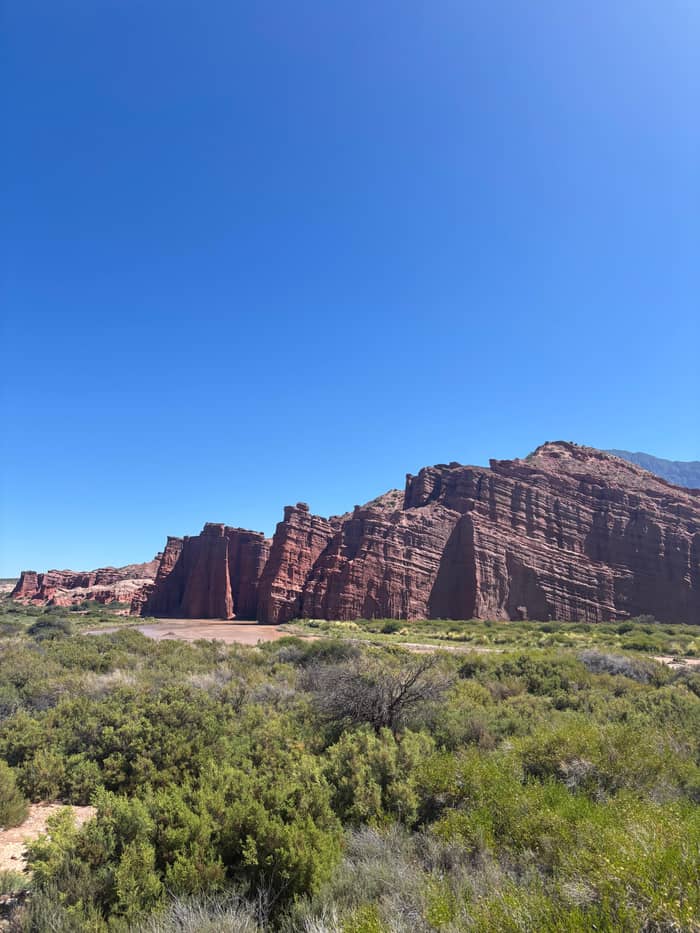
For wine lovers
February to April
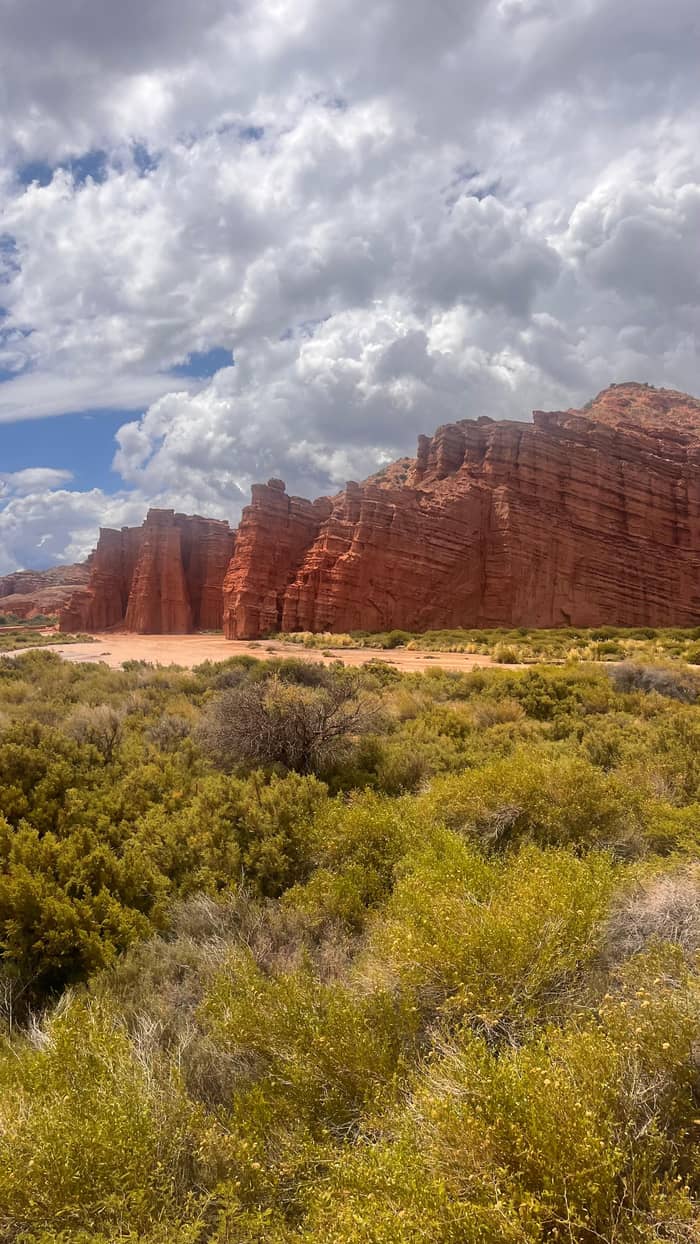
Calmest
Winter
October is the white wine's month. The province spent 5 to 16 October celebrating Torrontés in its 13th annual week, with dinners, art shows and cellar events from Salta city to Cachi.10 In Cafayate the wine museum's patio hosted an evening tasting outdoors with more than 30 wineries and live music.21 The town's own patronal feast for the Virgen del Rosario also falls in October, with a procession and a parade of gauchos and farm machinery.20
November brings the sporty side of the valley. Cyclists race between the wineries on loops of 20 or 40 km in La Vuelta de las Bodegas, whose first edition was set for 8 and 9 November.11,26 Even if you are not racing, spring is a pleasant time to cycle between vineyards, before the full heat of summer arrives and while the vines are pushing out their first green leaves.
Spring is also a good compromise season for photography. The gorge's red walls look strongest in clear, dry air, and the long evenings give the return drive more usable light. Book ahead if your dates fall on a festival weekend, and check the province's official events calendar before you lock anything in.
Price the day
Compare the Salta day trips by group size and starting price.
Compare all 3 options
Compare the Salta day trips by group size and starting price.
≈
View≈
View≈
ViewStarting prices as on the booking platform, converted at the ECB reference rate. You see the exact price at booking.
The year in Cafayate
January
Tolombón celebrates its carob drink.7
February
The valley's big folk festival.8
February to April
Guided picking and cellar visits.4
April
One edition brought 30+ wineries to an outdoor tasting.9
October
Tastings and art across the province.10
November
Its first edition was set for November.11
Weather rarely cancels the classic tour. Its GetYourGuide listing says plainly that rain and storms do not call the excursion off. That is good for your plans, but it means you should come ready for it: a rain shell, a dry layer and shoes with grip for the short walks into the canyons. The driver decides how long to stay at each stop when conditions turn.
If you drive yourself, the rules change. Salta's tourism ministry asks travellers to check the weather, routes and roads before setting out.25 It warns never to cross a flooded road, even if the water looks low, because the current can sweep a car away suddenly.27 It also advises planning ahead and favouring daytime hours on open main roads.28 In an emergency in the province, call the police on 911.29
Wind is the other factor. People in Cafayate say they can tell from El Zorrito whether the day will bring rain, cold or the Zonda, the hot dry wind of the Andes foothills.30 On a windy day, keep sunglasses on in the gorge to protect your eyes from grit, tie down hats and hold phones firmly at the viewpoints.
Video
Travelling With Con on YouTube · Your tap on play is what loads the video.
In the tourist areas of the Valleys and the Puna the temperature varies between 10 and 15 ºC from day to night, so it is advisable to bring a light jacket for summer nights and a good coat for winter.
Think of the tour as several climates in one day. The listing gives 2 hours by coach each way, a café break of 10 minutes on both legs, a string of gorge stops, a 45-minute vineyard visit and 2 hours of free time in Cafayate. That means hours sitting in an air-conditioned bus, short bursts of hot sun in the canyons and a cooler late afternoon among the vines.
No meal is listed in the tour's details, so plan for lunch in Cafayate and carry snacks and water for the drive. Bring cash in small notes for empanadas, ice cream or a bottle to take home. If you tend to get carsick, sit near the front and take whatever you normally use before the curves through the gorge begin. A neck pillow makes the long drive back far kinder.
Wine tasting adds a few small rules. Nobody under 18 may legally be sold a drink anywhere in Argentina, so teenagers on the trip will sit out the tasting at the vineyard.24 Drink water between tastings, especially in the strong sun. And leave room in your bag: a tour of Cafayate tends to end with a bottle of Torrontés or a wedge of goat cheese heading back to Salta with you.
FAQ
Bad weather does not cancel it, according to the listing.
After dark the valleys cool by 10 to 15 °C.3
Eat in town during the free hours; no meal appears among the inclusions.
Salta tourism places it in February; the organisers gave 26 to 28 February for the 52nd.12
Sources
Read next
Riding from Salta to Cafayate? Ask a real person.